
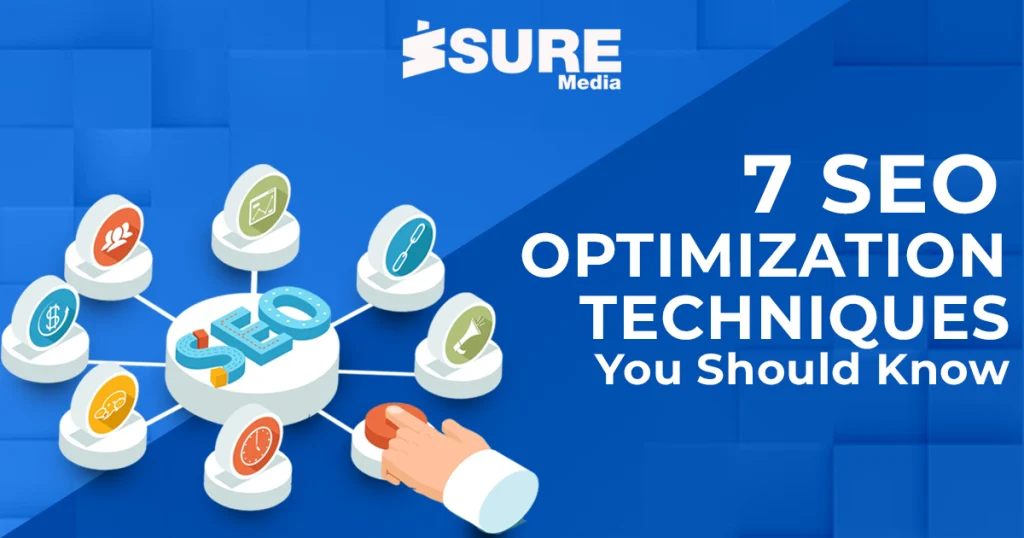
SEO is a prime tool in today’s world of digitalization. If provided with the right content, it helps a website swim over the top pages of the SERP listing. This will make your website visible and generate organic traffic, thus enabling you to finally set your business’s goals with these effective SEO optimization techniques.
With the proper optimization techniques and utmost dedication, you can also make your website rank on the SERP. Here in this article, we will be discussing the main terms and ways by which you can rank your website at the top.
This blog post will discuss 7 key SEO optimization techniques that will help you integrate your website strategy.
Table of Content
1. Keyword Research
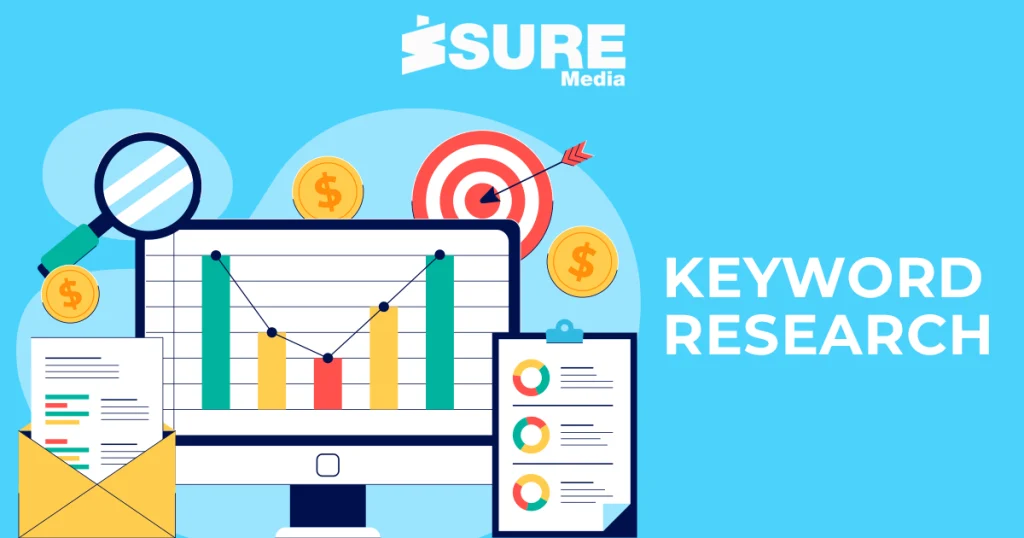
SEO is based on keywords and keyword research is one of the most prominent SEO optimization techniques that there is. Keywords mean these single words or combined phrases that your future customers can use to search for some kind of product or service. Good keyword research allows finding only those terms that best describe what you’re trying to offer.
Following are some tips for keyword research effectively:
- Keyword Research Tools: These entail, but are not limited to, the Google Keyword Planner, SEMrush, and Ahrefs, giving one insight into keyword popularity, search volume, and competition.
Also, consider long-tail keywords. Long-tail keywords are specific, with usually less competition, so it is often easier to rank for.
- Analyze your Competitors – Find out what keywords they are after and try to see where they could be missing.
2. On-Page Optimization
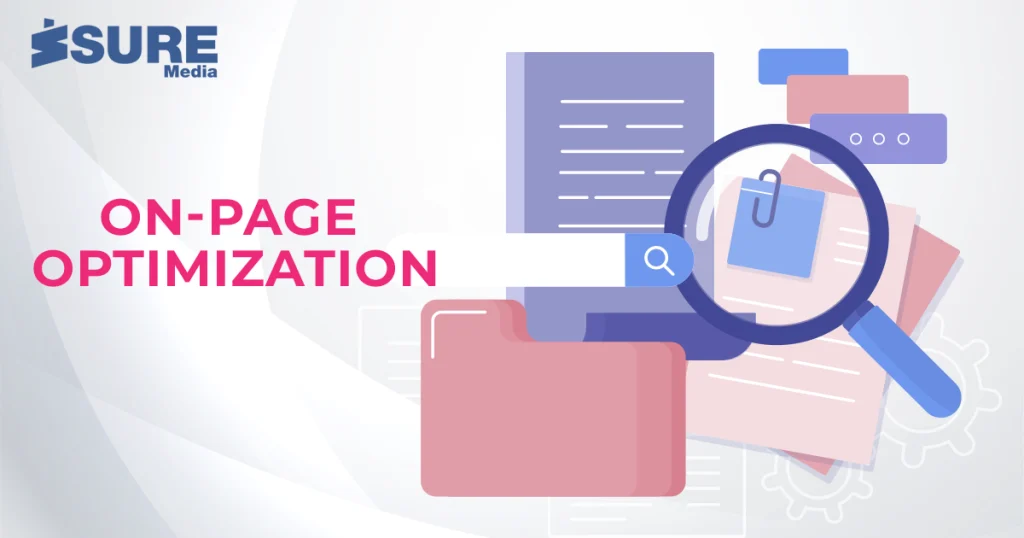
On-page optimization focuses on all the elements already present in your website to rank them further in the search engine result pages. Following are a few tips to make it stronger and better.
Include target keywords to make your title tags and meta descriptions catchy so that people click them because these are the snippets reflected in the search results.
Header Tags (H1, H2, etc.): Use header tags in structuring your content, and tell the engines what hierarchical level your page is at.
- Optimize your images – Have descriptive alt texts and proper file size for your images.
- Internal Linking – Assists a few search engines with the structure of your website and helps users get to relevant pages on your site.
- Content Quality – Create high-value, relevant content that will add some value to your target audience.
3. Off-Page Optimization
Such optimization is all about building backlinks to a website from other trusted sources. A backlink will tell the search engines that it is a relevant and useful website. Here are some quality backlink-building strategies:
- Guest Blogging – This process is also called guest posting and includes writing posts on other websites within the same niche. The aim behind this is to link them back to your original website.
- Directory Submissions – Experts submit the website into the most relevant categories in order to gain more traffic and reach.
- Social Media Marketing – Post your content on all leading social sites for better visibility, and acquire more backlinks.
- Local SEO – Optimize the website for local search, given that there’s a physical store.
4. Technical SEO
Technical SEO ensures that your website is healthy and accessible technically for the smooth crawling and indexing of the search engines. Some of the most common technical factors include:
- Mobile-friendliness – This would mean that your website should be optimized to be used on mobile devices.
- Web Speed – Decrease the load time of your site and provide a greater experience for users.
- XML Sitemap – An XML file intended to let search engines better comprehend your site’s structure.
- robots.txt file – This informs the search engines where they can or cannot crawl and rank the website based on it.
5. Content Writing
For SEO, quality content is paramount. Below are tips on writing functional content:
- Target keywords, using them naturally – Disperse your target keywords throughout the content; don’t stuff.
- Write while addressing your readers – Ensure that the content gives information and has attractiveness to the audience.
- Use a conversational tone – Make your content easy to read and understand.
- Keeping it Updated – Regularly update your content to stay fresh and relevant.
6. Content Marketing

The concept behind this strategy is to create content that engages most of the audience and makes sure they stick to it in the long run. Following are a few content marketing strategies:
- Blogging – Create blogs on relevant issues of your business.
- Videos Creation – Create videos to demonstrate your expertise and connect it to them.
- Infographics – Design visually appealing infographics based on complex information.
- Social Media Marketing – Share your content on the relevant social media platforms.
7. Analytics and Tracking

SEO tracking is important in measuring progress and, finally, making informed decisions. Here’s a list of some SEO tracking tools that you can utilize:
- Google Analytics – Offers tracking of traffic, browsing behavior, and conversion analysis.
- Google Search Console – The website’s performance in the search, including ranking and impressions of keywords.
- SEO Tracking Tools – Avail such SEO tools as SEMrush and Ahrefs for tracking backlinks, keyword rankings, and competitor research made on the website.
Conclusion
SEO has become an indispensable part of business development in this constantly changing digital era. Among these 7 SEO optimization techniques, there is the potential to create even higher visibility for your website and drive organic traffic toward your business goals.
Remember, SEO is an ongoing process. It takes time to constantly reinvent, put into practice, and analyze improvements to stay ahead of the curve. Any investment in SEO is, therefore, an investment in the long-term success of your online presence. Be not just hitting the ball hard, lead with self-determination into the game, and let your website shoot into new horizons.
For more information and digital business support, you can contact us on our social media handles.