
In the world of web page optimization, On-Page SEO is one of the most important aspects. This element of SEO is so important that it can be used to optimize pages and can affect rankings in both ways.
Most importantly, with such cutthroat competition in online marketing, SEO is quite obviously the most critical tactic for organic traffic on your website.
Out of the vast array of different SEO tactics, on-page SEO is a basic pillar in which individual web pages are optimized to get better rankings on search engines and also improve the user experience.
Here in this blog post are some of the finest on-page SEO techniques and how they differ from other general SEO strategies.
Table of Content
On-Page SEO Techniques
In the SEO realm, there exist multiple techniques for webpage optimization, but On-Page SEO has its own techniques. The following are the most practiced On-page SEO techniques that can be used to optimize web pages.
1. Keyword Research and Optimization

Keyword Research is the base of on-page optimizations and it makes the strongest foundations of SEO. You’ll have to research the keywords optimally to know what exactly your target audience is searching for.
For instance, you can strategically mention the keywords related to your page title, headings, meta description, and content in a natural flowing way.
Similarly, avoid keyword stuffing, since overdoing this may immediately negate your efforts of ranking your webpage.
2. Quality Content

Create content and post information that is relevant, engaging, and truly useful for your target audience.
Use clear, simple, yet informative language that can easily be traced by your readers. Additionally, make sure you put emphasis on providing rich and accurate information and not extra and unnecessary fluff.
In conclusion, post content that is rich in information and facts. It will make your posts and pieces of information more readable with headings, subheadings, and bullet points.
3. Meta Tags
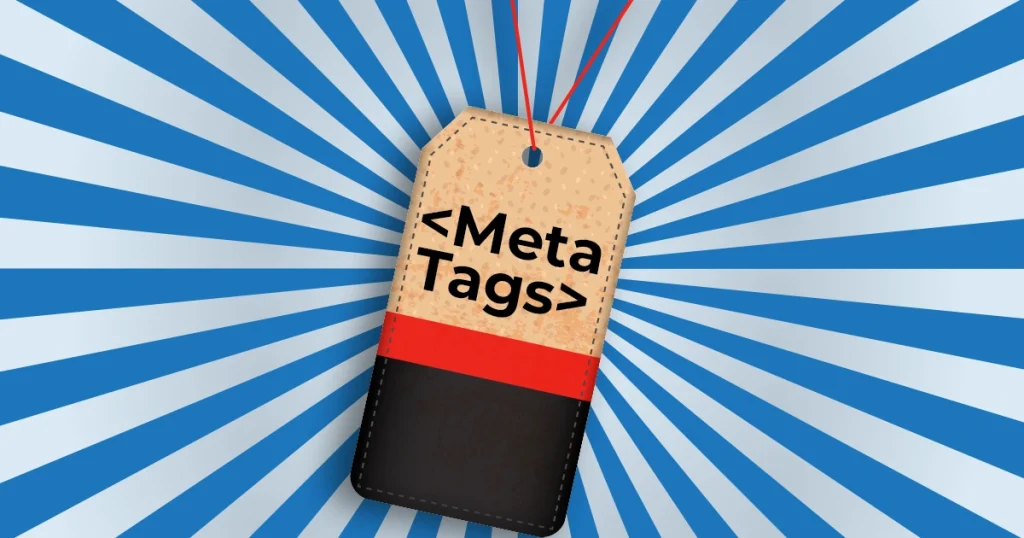
Interesting meta titles and descriptions are something that represents what the page contains and persuade users to click through.
Above all, the tags must be short and relevant, ready for a search engine. On-page SEO contains the type of elements that may look small and unusual but they can be one of the most useful parts in getting your websites ranked.
In other words, the meta tags may look simple, but they make the website’s subtle details more readable and suitable for the readers.
4. URL Structure
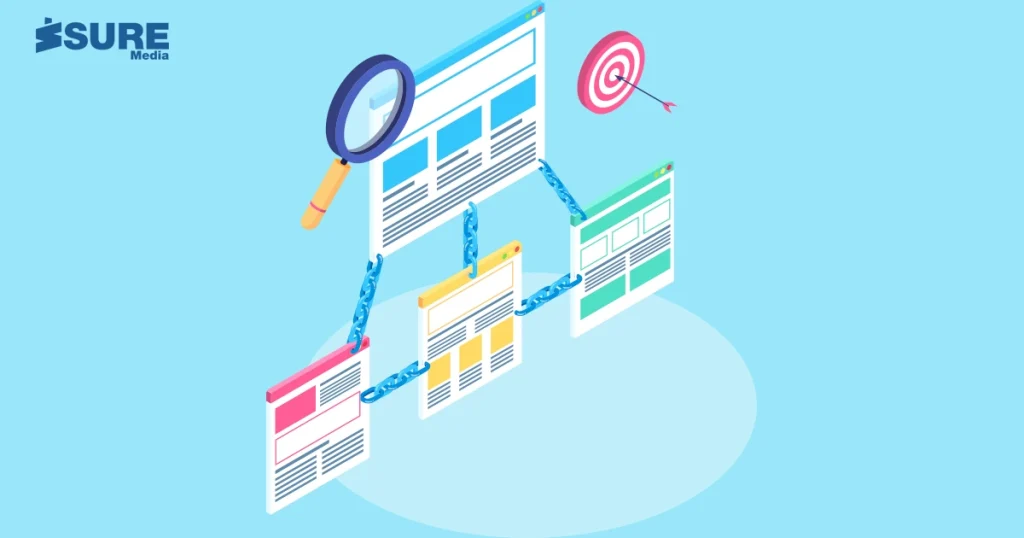
Use descriptive and keyword-rich URLs, user friendly, and easy to navigate through.
Use URLs that are not so long and complicated and have a lot of parameters. It makes reaching out to the website more easy and approachable.
Overall, a better URL improves the crawlability of your website and makes things easier for search engines. All these factors of on-page SEO might sound small, but they contribute some strong elements for web pages to rank themselves.
5. Mobile Optimization

Mobile Optimization refers to the betterment of the website user interface based on the latest SEO standards. Mobile optimization is a special point in this blog, as people using mobile devices contribute to 63.38% of all website traffic.
This means more than half of the population of the world uses their mobiles to visit websites and then buy their goods or services. This enhances the overall SEO standards and makes the website more likely to rank on the search engine result pages.
On-Page SEO vs. Overall SEO
The following are the main differences between the two aspects of web page optimization. However, both concepts are incomplete without each other and this table is provided for a better understanding of both.
| Feature | On-Page SEO | Overall SEO |
|---|---|---|
| Focus | The focus of On-page SEO remains on optimizing individual web pages for search engines | The focus of overall SEO remains on a website's complete ranking factors, regardless of a single element like on-page SEO. |
| Scope | Primarily involves elements within the control of the website owner. | Encompasses both on-page and off-page factors. |
| Main Element | Keyword optimization, meta tags, content quality, URL structure, header tags, image optimization. | |
| Results Time Frame | Website owners may see results more quickly as compared to the whole SEO scenario. | Usually, the whole SEO requires a higher amount of time to see results. |
| Difficulty | The difficulty level of on-page SEO is less, as compared to the whole SEO. | The whole aspect of SEO contains high difficulty and makes the process more competitive and time-consuming. |
Conclusion
Talking about optimization techniques, on-page SEO can have as many different tactics as any other elements of online ranking. However, it is important to understand the basic concepts of the same.
Techniques like keyword research, quality content, meta tags, better URL structures, and high-end mobile optimization can make the SEO’s performance much better in almost no time.
It’s the off-page SEO techniques that usually take a long time to show the desired results. Hence, focusing on on-page SEO also becomes essential in today’s world.
Isuremedia is one of the firms that handle all the SEO optimization techniques to make your website virtually strong and increase its presence.
For more information and digital business support, you can contact us on our social media handles.