
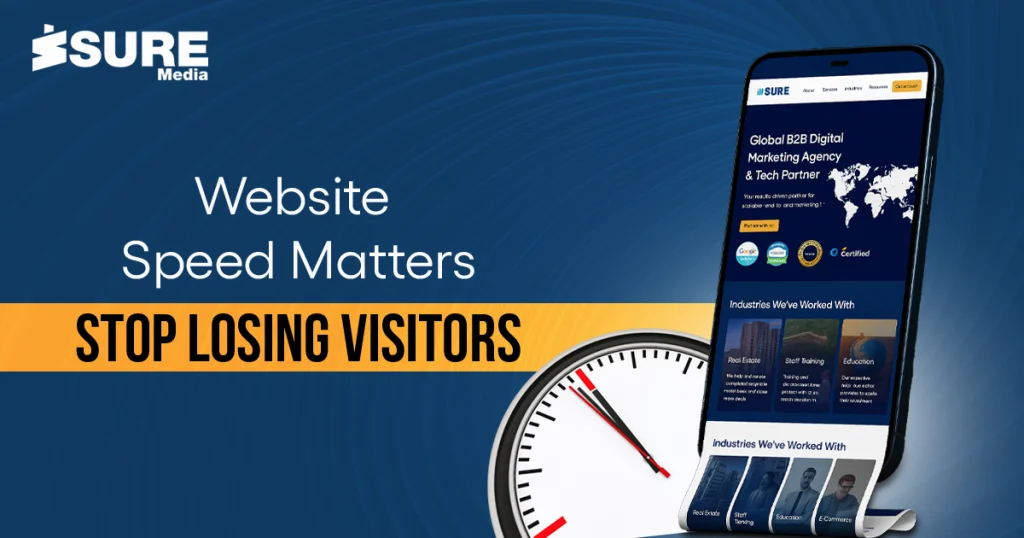
Imagine walking into a store, waiting five seconds for the door to open… and then deciding it’s not worth it. That’s exactly what happens online when your website speed is slow and it takes forever to load.
People click, wait, sigh, and vanish. You don’t lose them because your product sucks; you lose them because your site made them wait.
Welcome to the world of website speed, the invisible deal-breaker of the internet.
Table of Content
Why Website Speed Matters?
We could list millions of reasons why, but here are some of them. The ones that you can focus on, the ones that you can understand:
1. Slow Websites Are Like Bad First Dates

Your website, most of the time, is your first impression. And you only get one shot to make a good first impression on its visitors. If a website is loading at a reduced speed, its visitors might choose the other million websites on the internet, offering the same services as you.
Visitors won’t stick around to “see your potential.” They’ll ghost you faster than you can say “page loading.”
In a world where patience is shorter than a TikTok video, speed is everything.
2. Your Website Is Competing With Netflix's Attention Spans

People don’t just expect fast. They expect instant. When your page lags, they’re not waiting—they’re already back on Google, clicking your competitor. And that’s completely fine when you think from the perspective of your customer.
A delay of even one second can tank conversions. That’s the difference between “Sold!” and “See ya!”
3. Google Hates Slow Websites Too
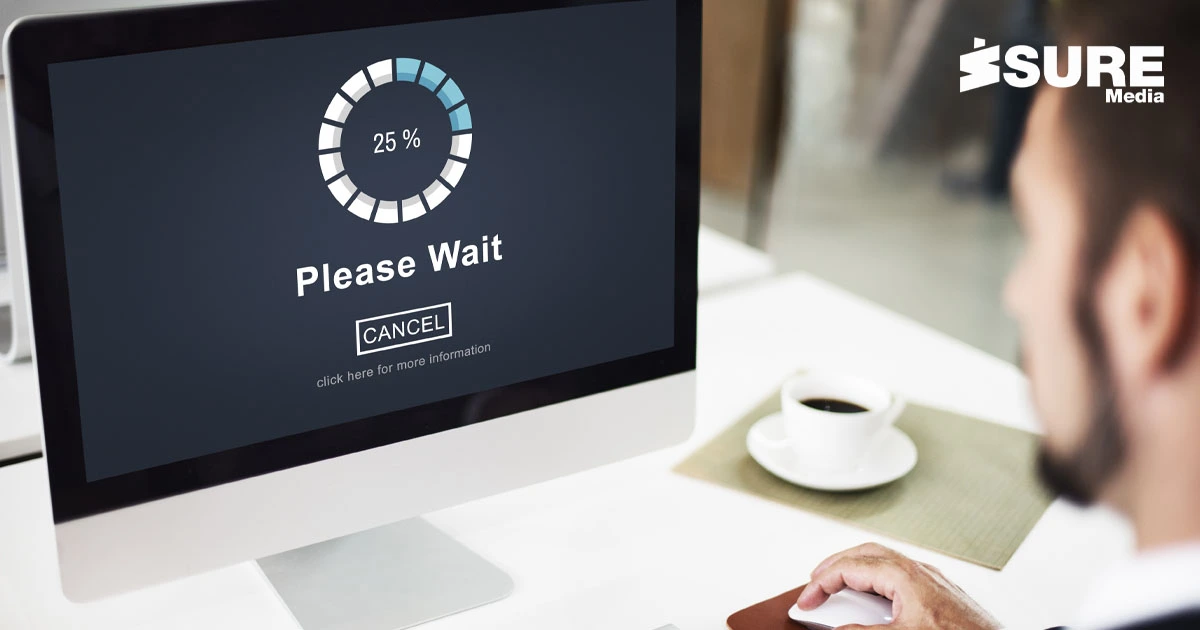
Here’s the brutal truth: Google doesn’t reward sluggish pages. If your website speed is slow, then it is a direct red flag to Google. When this happens, your ranking drops. It simply means you need to respect the platform that you’re working on.
Google’s Core Web Vitals check how fast your page loads, responds, and feels to users. Fail that test, and your SEO dreams take a nap too.
4. Mobile Users Are the Most Impatient Species Alive
If your site takes more than three seconds to load on a phone, it’s game over. Mobile users are multitasking, moving, and scrolling at light speed. They don’t care if your banner animation is “artistic” — they just want it to show up now.
Optimizing website speed for mobile isn’t optional anymore. It’s survival.
5. Images Can Be the Villain in Disguise

We agree that you have high-resolution images that look stunning. We know you’ve been waiting to show them to the audience, but before that, you must know this:
The high-resolution images might look appealing, but they secretly drag your website’s loading speed like an anchor. You just need to compress them, resize them, and go with the modern or more optimized formats like WebP.
Because a photo that loads fast is better than one nobody waits to see.
6. Plugins, Pop-Ups, and Other Internet Junk

Too many plugins can slow your site down faster than your Monday motivation. Audit them. Delete what you don’t need. Keep only the ones that make sense.
Pop-ups? Sure, they can help conversions — but make them smart. Not spammy. Nobody likes being ambushed while reading.
7. Hosting Isn’t a Place to Be Cheap
You can’t expect Ferrari performance with scooter hosting. Invest in reliable, high-speed hosting. It’s the foundation of your website speed. A bad server setup will undo every other optimization you make.
Speed doesn’t just come from code; it comes from quality.
The Bottom Line
You may spend a lot of your resources on perfecting the designs, copies, content, and visuals of your website, but none of that will matter if it loads slowly. There’s a huge difference between a site loading in seconds and taking forever to load.
Furthermore, website speed is your silent salesperson. It’s the force working behind the scenes, keeping people hooked before they even realize it.
So stop losing visitors to lag. Fix your website speed, trim the digital fat, and give your audience what they came for, fast.
Because on the internet, speed doesn’t just matter. It decides who wins.
You can also connect with us via our social media handles.